Party Wear Dresses for Women: How to Choose the Perfect Style for Your Body Shape
Discover how to choose the perfect party wear dress for your body shape. Learn about flattering cuts, fabrics, fits, and styling tips for every silhouette.
InstagramView the referenced post on Instagram.Open post on Instagram
Party Wear Dresses for Women: How to Choose the Perfect Style for Your Body Shape
Every woman can relate to the scenario where your closet is brimming with clothes, the invitation reads smart casual or cocktail, and yet nothing seems to fit. This dress hangs too tight around your hips, while that other one has gaps at the shoulders. Another dress seemed to flatter you in the fitting room mirror but looks completely different when worn at home.
The problem isn’t necessarily a dearth of options but that no single party wear dress has been chosen based on your own unique body type.
Dressing up for a party shouldn't have to be a hit-or-miss process every time. With the right knowledge about your body shape and which designs really suit it, your shopping will become easier, your mistakes will decrease, and the effort of getting dressed will stop interfering with your night out.
Stop Buying the Dress, Start Buying the Shape
One of the more common forms of shopping is purchasing a dress from a mannequin or model, thinking it will look equally good in real life. It normally won't since it was made for a certain shape.
And this is the basic premise of selecting party dresses by body type: it's not whether a dress is good or bad in itself, but how well it works for you.
The shoulders, waist, hips, and torso length are all interrelated with the style of the clothing. A change in one aspect can result in a completely different silhouette, even when you have the same color and size.
Trends Fade, Proportions Don't
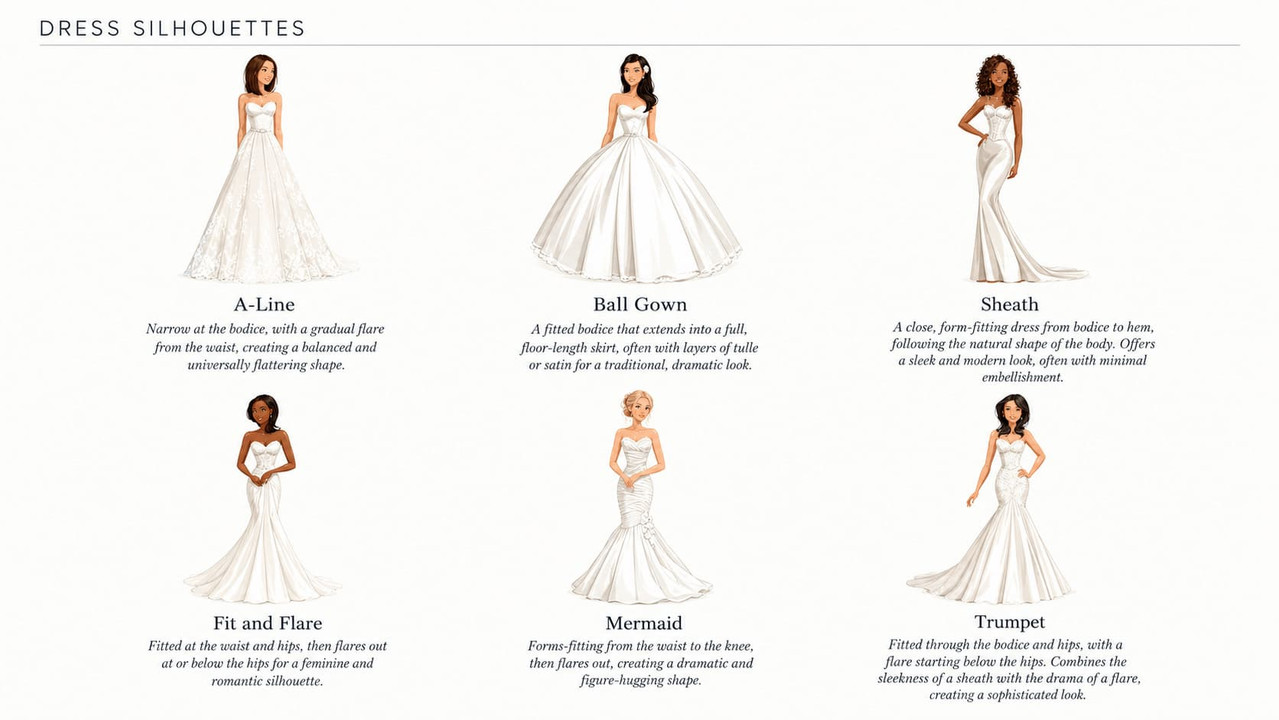
Following the latest trend is always a temporary measure because a trend can dominate every web store for a few months before disappearing the following season. However, your body type does not change with every trend.
Therefore, you are likely to wear clothes that complement your body type for much longer compared with outfits chosen purely because they are fashionable at the moment.
Match the Cut to Your Silhouette
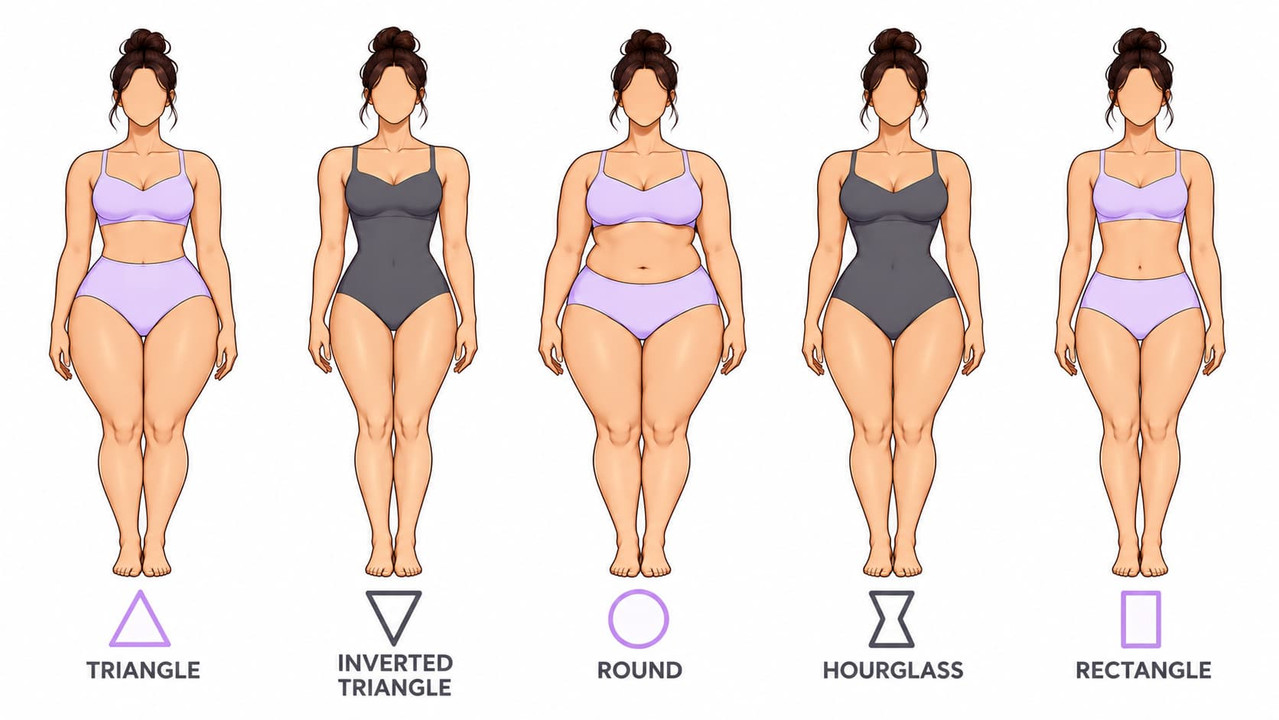
Before you start looking for an evening dress for women, it is wise to figure out approximately which type of silhouette you belong to.
- Pear shape: Hips are wider than the shoulders. Find dresses that are A-line and have a flare design that glides over the hips.
- Apple shape: The midsection is fuller while the legs may appear slimmer. Empire-waist dresses can work well because they bypass the waist and spread outwards.
- Hourglass shape: The shoulders and hips are balanced, with a defined waist. Wrap dresses, belts, and bodycon silhouettes can accentuate the natural waistline.
- Rectangle shape: The shoulders, waist, and hips are fairly aligned. Peplum dresses, ruching, and defined waistbands can create the appearance of more curves.
- Inverted triangle: The shoulders are broader than the hips. A-line skirts or dresses that flare out at the bottom can create balance.
- Round/Oval shape: The midsection is fuller. A-line, empire-waist, and V-neck dresses can create definition and elongate the silhouette.
Why the Same Cut Can Feel Completely Different in Another Fabric
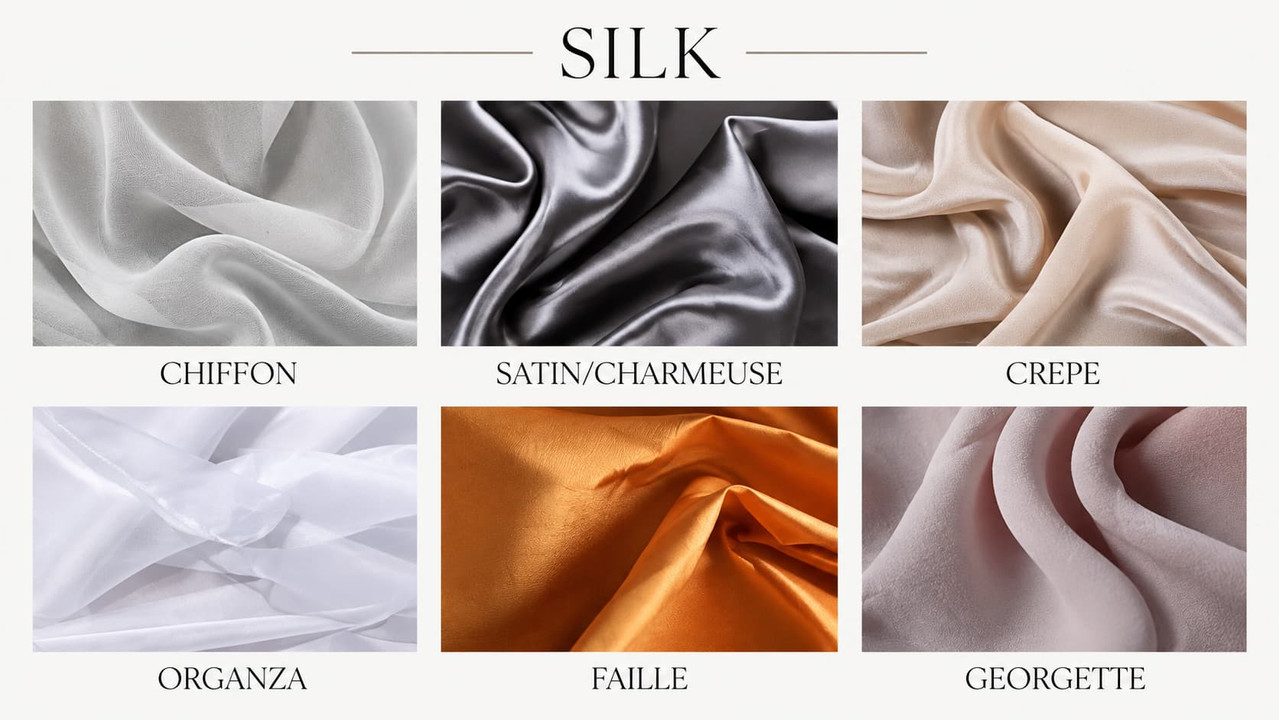
Two dresses made with the same print or color scheme can feel completely different based on the fabric used. This is where many otherwise good styling decisions can fall short.
Fabric that is stiff and structured, such as taffeta and brocade, holds its shape and works well with A-line or flared dress silhouettes.
Fluid fabrics such as georgette and crepe move with the body and can work across many different silhouettes. Stretch fabrics such as satin-lycra blends can skim the body and emphasise the waistline.
A Quick Reality Check Before You Buy
Put every prospective purchase to the test using three simple criteria:
- How does it look while sitting down at a table?
- How does it move while walking in the shoes you plan to wear?
- How does it look in still photographs?
Fit Is About Proportion, Not Just Size
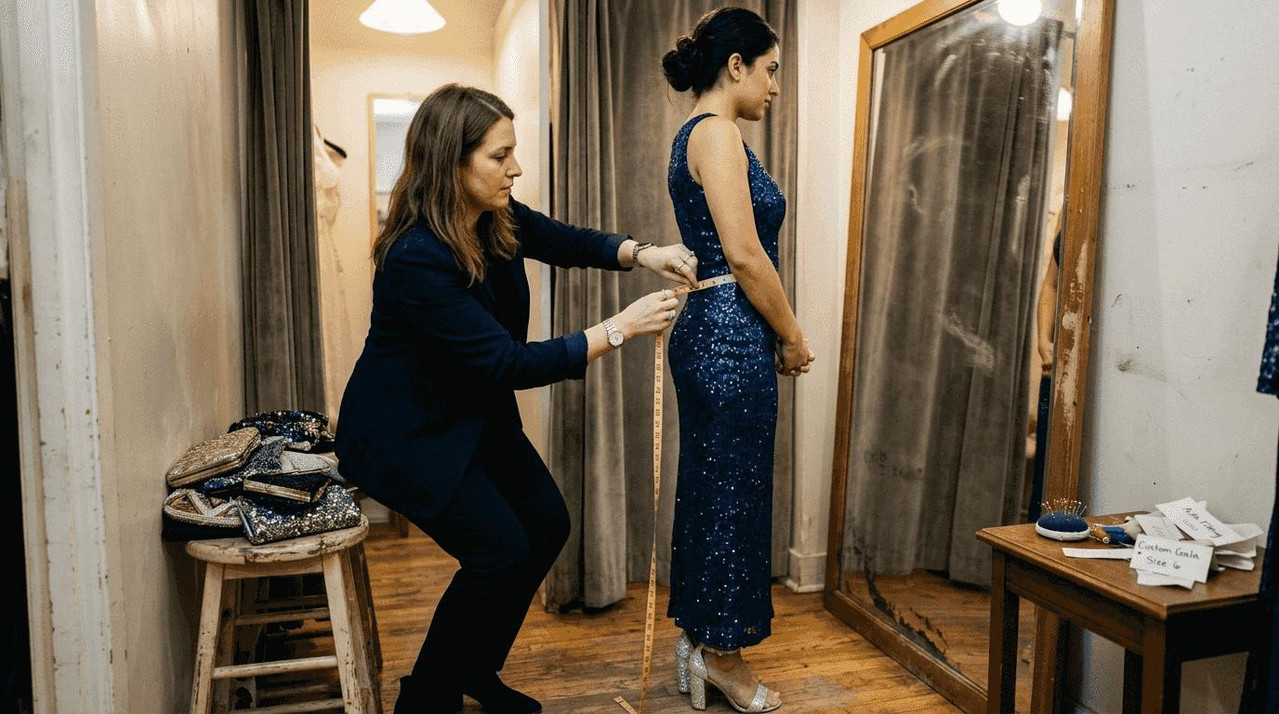
Even when you are wearing the right size, a dress does not necessarily fit you properly. Fit also depends on where the hemline falls, how high or low the waistline sits relative to your body proportions, and how sleeve lengths work with your arms.
Sized Correctly, Styled Incorrectly
It is perfectly possible to wear a garment in the correct size and still feel that it does not look right. The problem may be the hemline falling awkwardly across your leg or the waistline sitting too high or too low on your body.
Let Your Personal Style Guide the Final Choice
Your own preferences also matter alongside fit and body shape. If you prefer clean and understated clothes, an intricate and heavily decorated gown might feel uncomfortable even if the silhouette is flattering.
Ultimately, the best party dress is one that complements your proportions while also reflecting your personal style.
Mistakes That Quietly Waste Money on Occasion Wear

There are several repeated mistakes that explain why many party dresses are hardly ever worn.
Dressing for an imagined event rather than a real one. The full-length, fancy dress purchased "just in case" for a black-tie evening may hardly ever be worn if most of your social calendar consists of informal dinners and parties.
Buying a statement piece with no styling plan. A flamboyant and ornate dress may look stunning on its own, but without considering footwear, a jacket, or accessories, it can easily become a dress that is worn only once.
Overlooking the setting. An evening dress may seem inappropriate for a daytime gathering, just as casual daywear may feel out of place at an evening party.
Getting Occasion Wear Styling Tips Without the Trial and Error
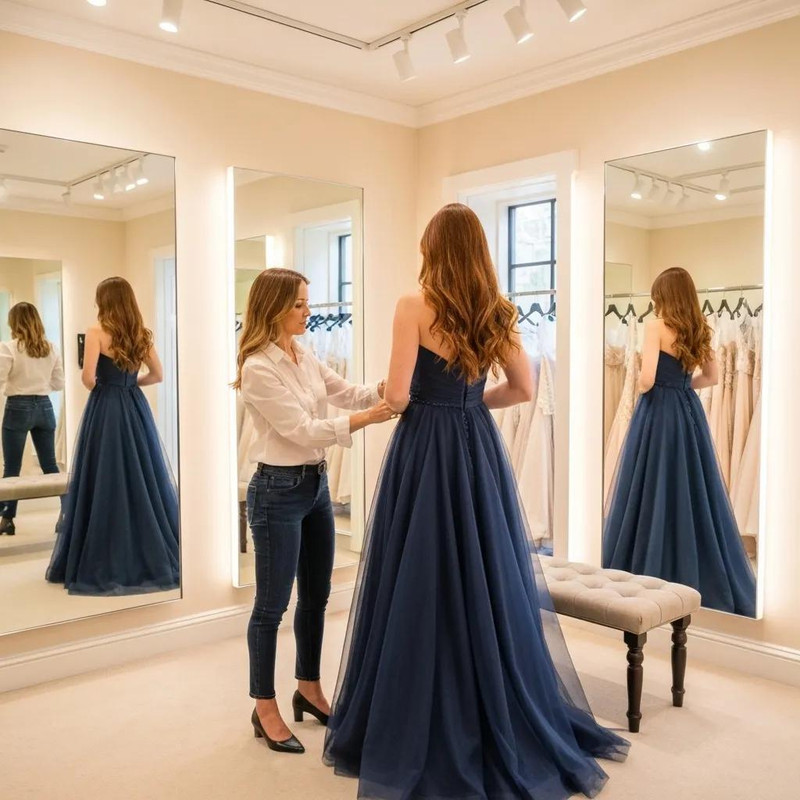
Determining your body shape, choosing the right fabrics, and finding the proper fit can take years of trial and error.
This is where an external perspective can make the process much quicker. Sites such as SilSett connect you with verified personal stylists who can analyse your body shape, color palette, and occasion type in a single session.
The Bottom Line
Choosing an appropriate party wear dress is not about having more choices. It is about understanding your proportions, choosing fabrics and styles that work for you, and being realistic about the occasions for which you need the dress.
Once you understand these basics, choosing a party outfit becomes less about trial and error and more about having a reliable approach to getting dressed for any occasion.